

Call us Now!
(833) 819-5010

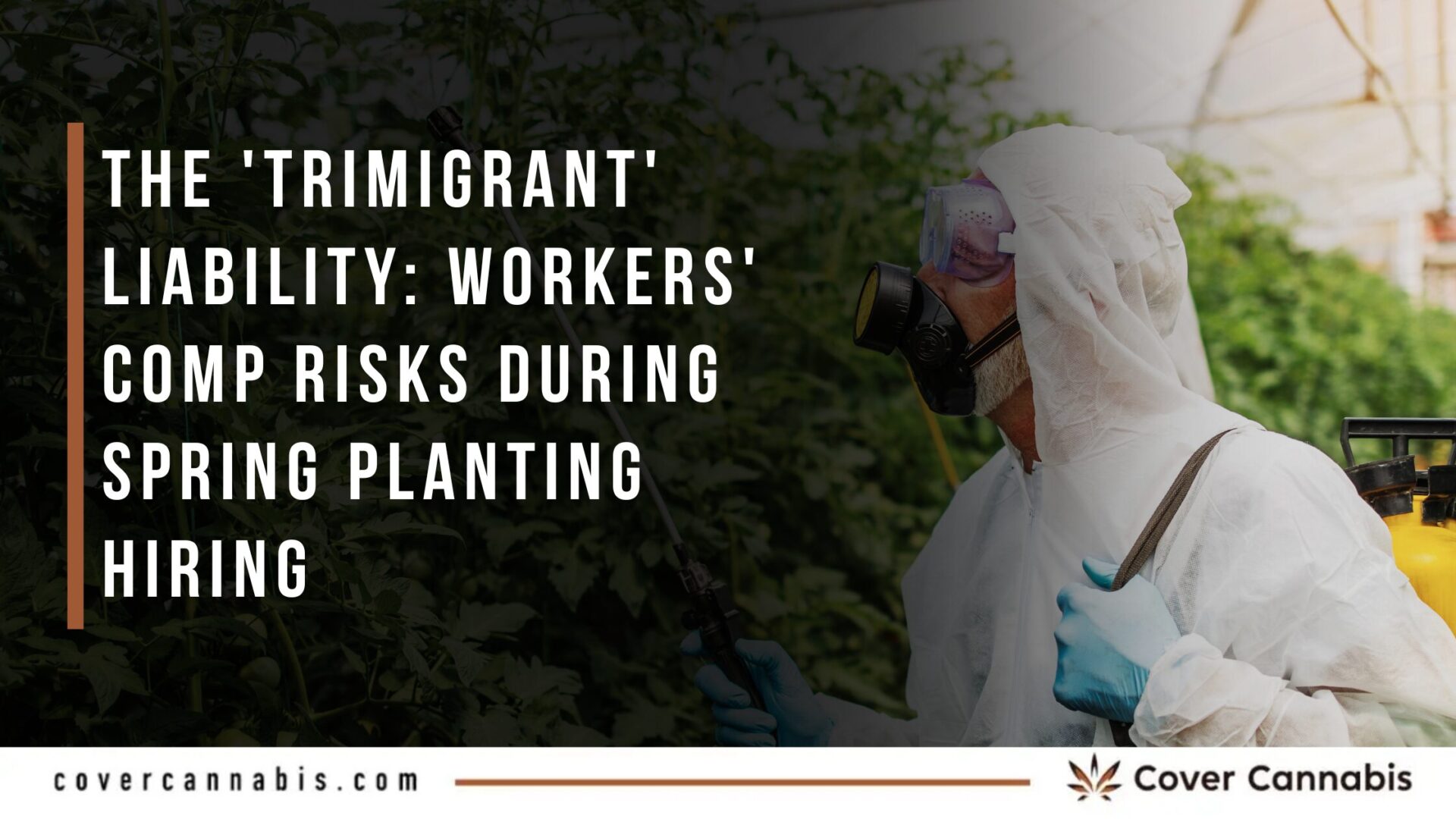
As April arrives, the cannabis industry begins its massive transition into the outdoor cultivation season. For farm owners and operators, spring planting means clearing land, prepping soil, moving heavy equipment, and getting clones or seeds into the ground. It also means a sudden, desperate need for labor.
To meet this demand, outdoor cultivators rely heavily on a mobile, seasonal workforce. Often colloquially referred to as “trimigrants” a term born during the fall harvest but equally applicable to the nomadic crews that arrive for spring prep these temporary workers are the backbone of the cultivation cycle.
However, hiring fast to beat the weather often leads to compliance shortcuts. If you are bringing on seasonal labor this spring, here is what you need to know about the strict Workers’ Compensation requirements and the financial dangers of worker misclassification.
The single biggest mistake cannabis cultivators make during the spring hiring rush is treating temporary laborers as “independent contractors” (1099) rather than official employees (W-2).
It is easy to see the temptation. Paying temporary workers as contractors (or worse, under the table) avoids payroll taxes, administrative onboarding, and Workers’ Compensation premiums. But in the eyes of state labor boards—especially in highly regulated markets like California—this is illegal misclassification.
The rule is generally simple: If you dictate what time the worker arrives, provide their tools, direct their daily tasks, and their work is central to your core business (growing cannabis), they are your employees.
Cultivation is exhausting, highly physical agricultural work. Spring planting brings a high risk of repetitive motion injuries, severe lifting strains, heat exhaustion, and accidents involving heavy machinery like tractors and tillers.
If a seasonal worker is injured on your farm and you have misclassified them to avoid buying Workers’ Compensation insurance, the consequences can be catastrophic for your business:
You will be forced to pay their emergency room bills, surgeries, and rehabilitation costs entirely out of pocket.
You may be liable for paying a portion of their wages while they recover.
Operating without required Workers’ Comp coverage can trigger massive fines, back-tax audits, and immediate stop-work orders that halt your planting season entirely.
Many cultivators try to bypass the hiring headache by using third-party agricultural staffing agencies to provide their spring crews. While this is a smart operational strategy, it does not automatically erase your liability.
If the staffing agency’s Workers’ Compensation policy lapses, or if they operate illegally without one, the state will look to the cultivator as the “statutory employer.” If an agency worker gets hurt on your land, your policy will be expected to pay the claim.
The Fix: Before a single agency worker steps foot on your farm, you must demand a valid, up-to-date Certificate of Insurance (COI) proving the agency carries active Workers’ Compensation.
Protecting your farm starts long before the fall harvest. As you build your crew this month, follow these baseline rules:
Put temporary and seasonal workers on official payroll from day one.
Do not assume a transient worker knows your farm’s safety protocols. Conduct documented safety orientations focusing on lifting techniques, hydration, and equipment use.
If an injury does happen, report it to your Workers’ Comp carrier on the very first day to prevent the claim from spiraling into costly litigation.
Navigating seasonal payroll and fluctuating risk profiles is complicated, but your insurance coverage shouldn’t be a guessing game.
At Cover Cannabis, we specialize in the unique operational realities of the cannabis industry. We understand how your workforce scales up in the spring and fall, and we partner with carriers who provide flexible, ironclad Workers’ Compensation policies designed specifically for cultivators.
Don’t let a spring hiring mistake jeopardize your entire harvest. Contact Cover Cannabis today to review your Workers’ Compensation strategy before the season hits full swing.

Nicole Bill is a Commercial Insurance Specialist at Cover Cannabis. A graduate from Humboldt State University with a Bachelors of Science in Business Administration. Nicole began her professional career in Banking and Investments, helping people invest for their retirement through Life Insurance and Annuities. Nicole was drawn to the insurance space because she saw an opportunity of growth and help business owners through the confusing aspects of insurance, specifically in the Cannabis industry.
On her time off, Nicole enjoys playing with her kids and gardening.